The call you let go to voicemail because you didn’t trust yourself to catch every word? That’s the moment Rogervoice was built for.
Rogervoice was founded with a simple goal: making phone calls more accessible for people with hearing loss.
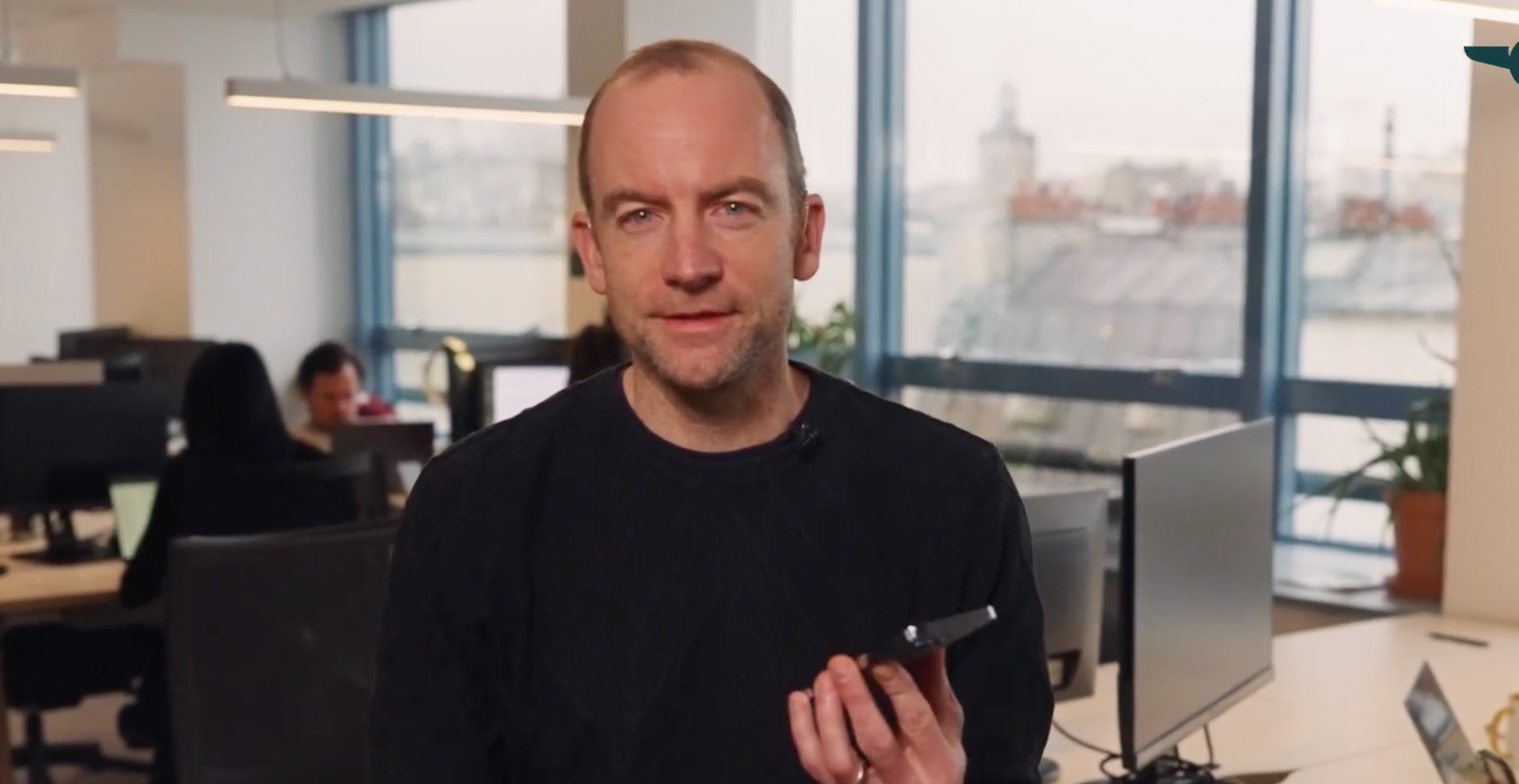
For Founder and CEO Olivier Jeannel, that mission is deeply personal. Olivier has been deaf since age two, and he experienced firsthand the communication challenges that millions of people face every day. Those experiences ultimately inspired him to create Rogervoice, a real-time captioned calling platform that has now enabled more than 12 million phone calls worldwide.
We spoke with Olivier about the inspiration behind the company, what sets Rogervoice apart, and his vision for the future of accessible communication.
Tell us a little about yourself and what led you to found Rogervoice.
I’ve been deaf since I was two years old and have worn hearing aids for most of my life. Growing up in Los Angeles, I attended public schools before studying at UC Berkeley. Like many people with hearing loss, I learned early on how much of daily life depends on communication. While I had access to accommodations that helped me succeed in school, I also experienced the challenges that came with navigating conversations, phone calls, and everyday interactions.
Later, I moved to Europe to study and work in France and Spain. It wasn’t as much a cultural shock as a logistical one. Everything was organised differently: classes and studies, extra-curricular activities, rental contracts, bank accounts, etc. In Europe, I really regretted the loss of captioned-telephone services, though and especially note-takers in class. Looking back, these experiences also helped shape the ideas that would eventually become Rogervoice.
Was there a particular moment when you realized a better solution was needed?
Yes. Throughout school and college, I benefited from typical accommodations like note-takers and transcription services. In structured environments like classrooms, those resources made a huge difference.
But outside of school, communication wasn’t structured. If I wanted to call a friend, make plans, or have a spontaneous conversation, there wasn’t an easy solution. Most accessibility tools at the time required advance planning, special equipment, or another person involved in the process.
That disconnect stayed with me. I realized that accessibility shouldn’t stop when class ends or the workday is over. People need communication tools that work in real time, wherever life happens.
How did that realization turn into Rogervoice?
Years later, while working as a manager at telecom carrier Orange, I regularly used professional transcription services for conference calls. Around the same time, smartphone technology and speech recognition were improving rapidly. One day, I watched a friend use his smartphone to create a voice note and realized that speech recognition had reached a point where it could fundamentally change accessibility.
The idea was simple: what if anyone with hearing loss could instantly access captions during a phone call, directly from their smartphone?
A few friends and I built an early prototype, put together a pitch deck, and started testing the concept. That project eventually became Rogervoice.
For those unfamiliar with Rogervoice, what does the platform do?
Rogervoice provides real-time captions for phone calls, helping hard-of-hearing individuals communicate more independently. Users can read live captions as conversations happen, or review full transcripts after the call, making it easier to participate in personal, professional, and everyday phone calls. The platform functions in different languages, opening up accessibility beyond English to other communities.
Today, Rogervoice has enabled more than 12 million phone calls worldwide.
What sets Rogervoice apart from other solutions on the market?
Many accessibility products are built for people with hearing loss. Rogervoice was built firsthand by someone with hearing loss. That distinction matters because our understanding of the problem comes from lived experience.
We know that communication challenges don’t only happen in formal settings. They happen when you’re calling a doctor, speaking with family, coordinating plans with friends, or handling unexpected situations. From the beginning, our goal has been to create a solution that feels natural, immediate, and independent, not something that requires extensive setup or advance planning.
Every feature we build starts with a simple question: does this make communication easier for the people who rely on it every day? Most accessibility tools assume someone else is in the room to help, or that you planned ahead to set things up. Rogervoice skips both.
What achievement are you most proud of?
There have been many meaningful milestones over the years, but becoming an FCC-certified captioned telephone service provider is especially significant.
It’s recognition of the work our team has put into building a reliable, accessible service. More importantly, it helps expand access to captioned calling for the people who need it most. For me, it’s a reminder of how far we’ve come, from an idea born out of personal frustration to a solution helping people communicate every day.
What’s next for Rogervoice?
Our mission remains the same: breaking down communication barriers through technology.
We’re continuing to improve the calling experience, expand accessibility features, and reach more people who can benefit from real-time captioning. While we’ve made significant progress, there’s still a tremendous opportunity to make communication more accessible around the world.
We envision a future where no one lets a call go to voicemail because they’re afraid of missing a word — where picking up the phone feels as easy as it should.
It also reflects something we don’t compromise on: no human operator ever hears a Rogervoice call, and the platform has operated under GDPR standards since 2014 with zero enforcement actions.
Rogervoice is the highest-rated app among FCC-certified caption call providers. To download the free app, visit the App Store and Google Play.
hello@rogervoice.com / LinkedIn
Captions that keep up with you.
